Constellation · Primordial
Cosmic Dawn
The moment darkness ends and the first structures take shape.
35 stars. Collect any two to draw a trail; collect all of them to complete the constellation.
-
 Primordial
The First Sound Waves
Density ripples ring through the early plasma.
-
 Primordial
Helium Hydride Appears
The first molecule forms in the cooling dark.
-
 Primordial
The First Molecular Hydrogen
A simple molecule becomes the first coolant.
-
 Primordial
The First Stars
Hydrogen and helium collapse into the first furnaces, and the universe stops being dark.
-
 Primordial
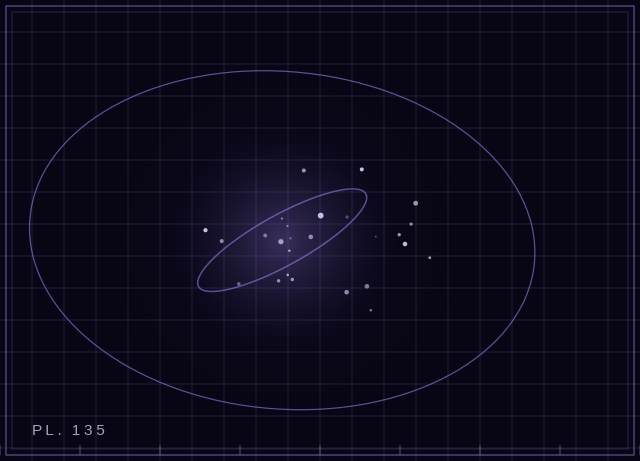
The First Dark Matter Halos
Invisible wells begin to gather the first gas.
-
 Primordial
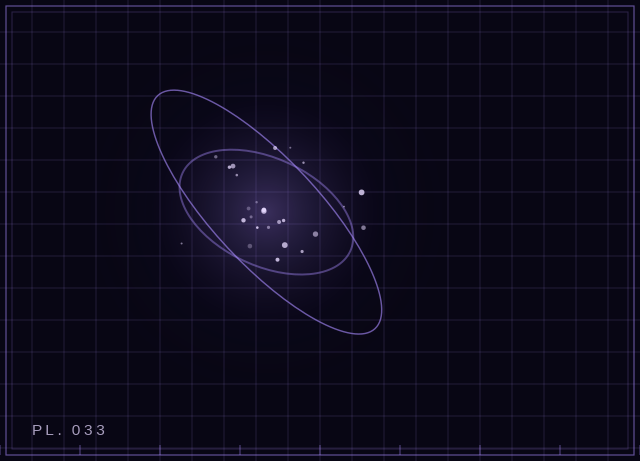
Invisible Scaffolding
Most of the mass that will hold galaxies together is not made of anything we can touch.
-
 Primordial
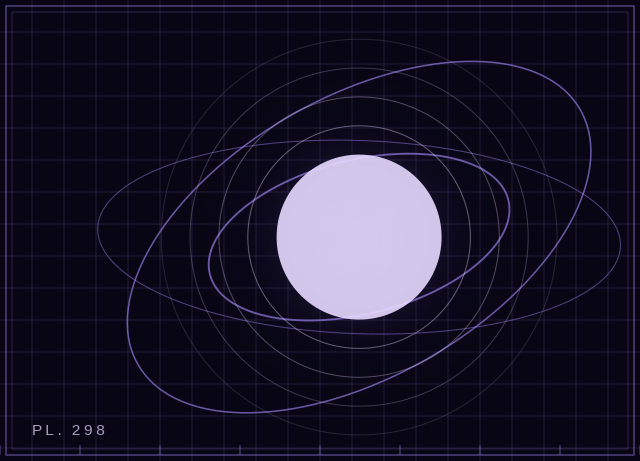
The First Stars Die
The first generation of stars ends violently, scattering new elements into the dark.
-
 Primordial
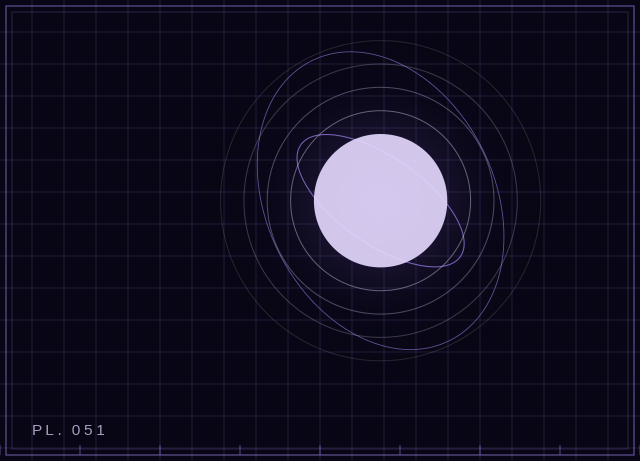
Reionization
Ultraviolet light from the first galaxies strips electrons from the fog of hydrogen.
-
 Primordial
The First Galaxies
Clumps of stars gather into the first cities of light.
-
 Primordial
The First Black Holes
Something forms that light can never leave.
-
 Primordial
Cosmic Dawn
The universe's first light switches on in earnest, ending half a billion years of darkness.
-
 Primordial
The First Dwarf Galaxies
Small galaxies form before the giants.
-
 Primordial
The First Star Clusters
Stars are born together, not alone.
-
 Primordial
The Intergalactic Medium Fills
Most ordinary matter sits between galaxies.
-
 Primordial
The First Stellar Winds
Massive stars blow their outer layers into the gas around them.
-
 Primordial
The First Pair-Instability Supernovae
A giant star blows itself completely apart and leaves no remnant.
-
 Primordial
The Brightest Early Objects
Less than a billion years in, a beacon outshines whole galaxies.
-
 Primordial
The First Dust Grains
Dying stars seed space with solid grains.
-
 Primordial
The First Black Hole Seeds
Small black holes must grow into giants.
-
 Primordial
The First Galactic Disks
Early galaxies stop being clumps and begin to spin into flattened wheels.
-
 Primordial
The First Quasars Ignite
A feeding black hole outshines its whole galaxy.
-
 Primordial
The Cosmic Web
Matter arranges itself into threads and knots, with vast empty rooms between.
-
 Primordial
The First Supermassive Black Holes
Gravity's darkest wells grow impossibly early.
-
 Primordial
The First Galaxy Mergers
Small galaxies collide and grow.
-
 Primordial
The First Galaxy Clusters
Gravity gathers galaxies into cities.
-
 Primordial
The First Cosmic Magnetic Fields
Magnetism threads the young universe.
-
 Primordial
The First Gamma-Ray Bursts
Dying massive stars flash across the universe.
-
 Primordial
The First Heavy Elements
The first stars forge elements heavier than helium.
-
 Primordial
The First Black Hole Jets
A feeding black hole fires beams of particles across a young galaxy.
-
 Primordial
The First Protoclusters
Overdense knots of galaxies are already gathering into future clusters.
-
 Primordial
The First Lyman-Alpha Emitters
Young galaxies glow at one precise ultraviolet wavelength.
-
 Primordial
The First Quenched Galaxies
Some early galaxies stop making stars while the universe is still young.
-
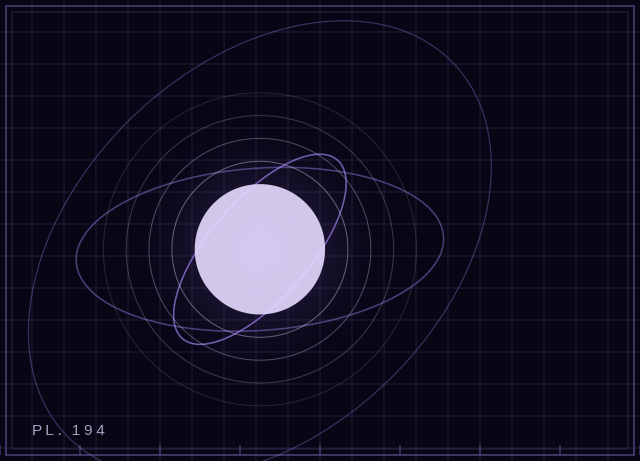 Primordial
The First Intergalactic Stars
Some stars are torn from their galaxies and shine in the space between.
-
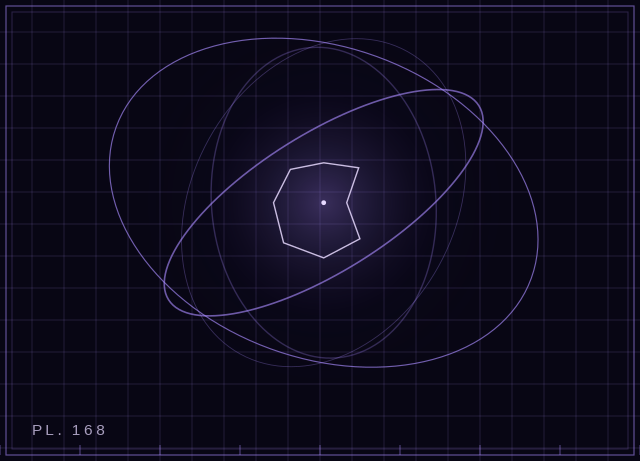 Primordial
The First Galaxy Groups
A few galaxies fall into a loose gravitational family.
-
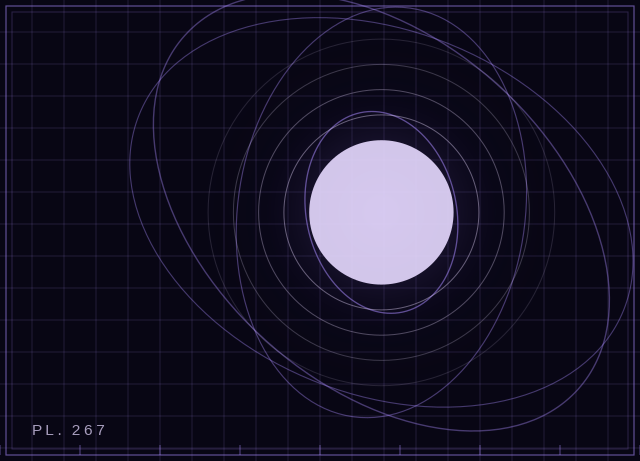 Primordial
The First Reionization Bubbles
Pockets of ionized gas grow around the first bright galaxies.
Work this constellation
The collection draws trails between collected stars. Answer a practice puzzle on any specimen page, or replay a past puzzle, to improve a plaque.